Our Opening Hours Mon- Sun
About Us
Acknowledge the Stroke, Initiate Treatment, and Save a Life.
Acknowledge the Stroke, Initiate Treatment, and Save a Life.

Health
Medications


Stroke Odisha is an initiative of Dr. Somanath Prasad Jena, one of the leading Neurosurgeon and Stroke intervention specialist in Odisha. His motive for making this an objective is to empower and educate people in Odisha about stroke-related diseases and how to prevent strokes for a healthy, long life.
With hands-on expertise in stroke management, Mr. Jena has created this platform to share his knowledge on stroke care with the general public to help control sudden strokes or to recognize the stroke signs for timely intervention for saving them from this second-most-deadly cause of death. Let’s enlarge this platform to every corner of the state and make a stroke-free Odisha together!
Strokes Treated
Total Patient
Achievement
Recovery Rate
Years Of Expertise
Strokes are of two types. Ischemic Stroke & Hemorrhagic Stroke

Ischemic Stroke occurs when a blockage happens in any part of the body, especially in the heart cells, also known as Atrial Fibrillation, leading to a poor supply of oxygen and nutrients to the brain cells. Ischemic type also arises when several fatty deposits block the blood vessels, resulting in low blood supply to the brain cells.

It occurs either when a blood vessel suddenly bursts or leaks, or due to Brain Aneurysms, which is a blood-thinning medical condition. It can also happen if you are suffering from high blood pressure or a brain tumour-like illness.

With the increasing severity of the stroke, which can lead to disability or death, affecting different age groups, healthcare professionals advise that people must receive stroke emergency care when they experience these four abnormal body signals.
Besides the abnormalities mentioned earlier, people suffer mini-stroke attacks, which means there is a short-term clot formation leading to poor blood supply to the brain cells, lasting for a few minutes, known as a transient Ischemic attack.
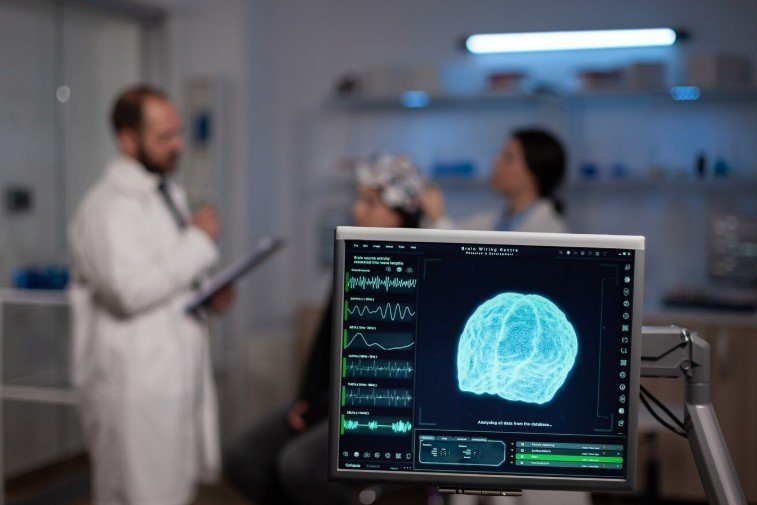

Strokes are treated with general medications, such as Anticoagulants or Antiplatelet drugs, which reduce the chances of a clot forming in the blood vessels. Thus, these procedures can improve the blood flow to the brain cells. If general medication fails to lower the risk of strokes, the surgery is the next option, which is done in 3 ways.
This surgical procedure uses a catheter-based thin tube that enters your upper thigh and goes up to the neck or brain. After that, doctors use a tiny device called Stent Retriever to catch the clot, remove it, and resume blood circulation. Mostly, lowers the risk of Ischemic attacks.
The Carotid Arteries flow along the sides of the neck and help direct blood flow to the brain. The endarterectomy is a surgical procedure that removes the plaques blocking the Carotid Artery, resulting in smooth blood circulation.
In this procedure, a metal tube called a stent helps open up the affected artery or narrowed artery, and then a small balloon enters the narrowed artery with the help of a catheter. The balloon helps widen the artery and collapse the plaques adjacent to the vessel walls, and resume blood flow.
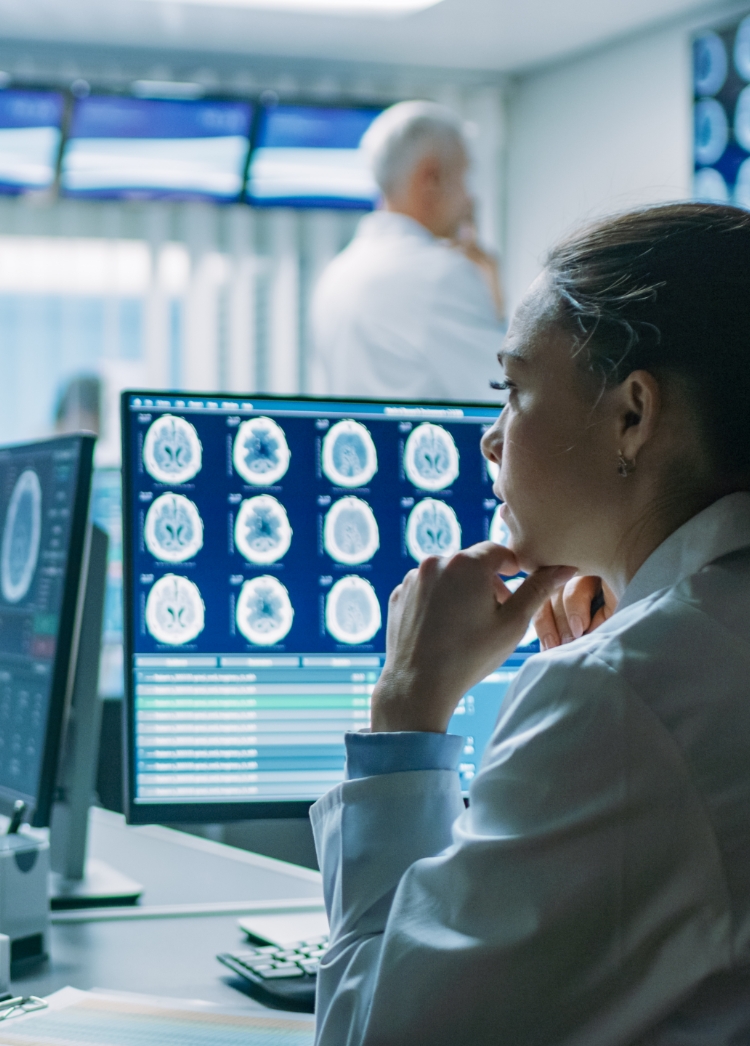
Some Good Habits Can Keep You Safe from Stroke-like SituationsAlmost 80% of strokes are manageable or preventable. A small lifestyle change and awareness of the signs can lower the risk factors of strokes.
You can choose a few aerobic exercises based on your body type, such as running or walking, as part of your daily routine.
Make a healthy diet chart. You can take the help of a nutritionist who can measure the amount of carbs or fats you should take daily. Add lots of green vegetables, low trans fats, and fish to your diet.
Avoid smoking or drinking alcohol.
Keep track of your weight, especially when you have other health issues like high blood sugar, family stroke history, tumour, high blood pressure, etc.
A good amount of sleep at night reduces the chance of many chronic illnesses.
Keep yourself stress-free. You can try yoga-like meditation techniques to keep yourself relaxed.